
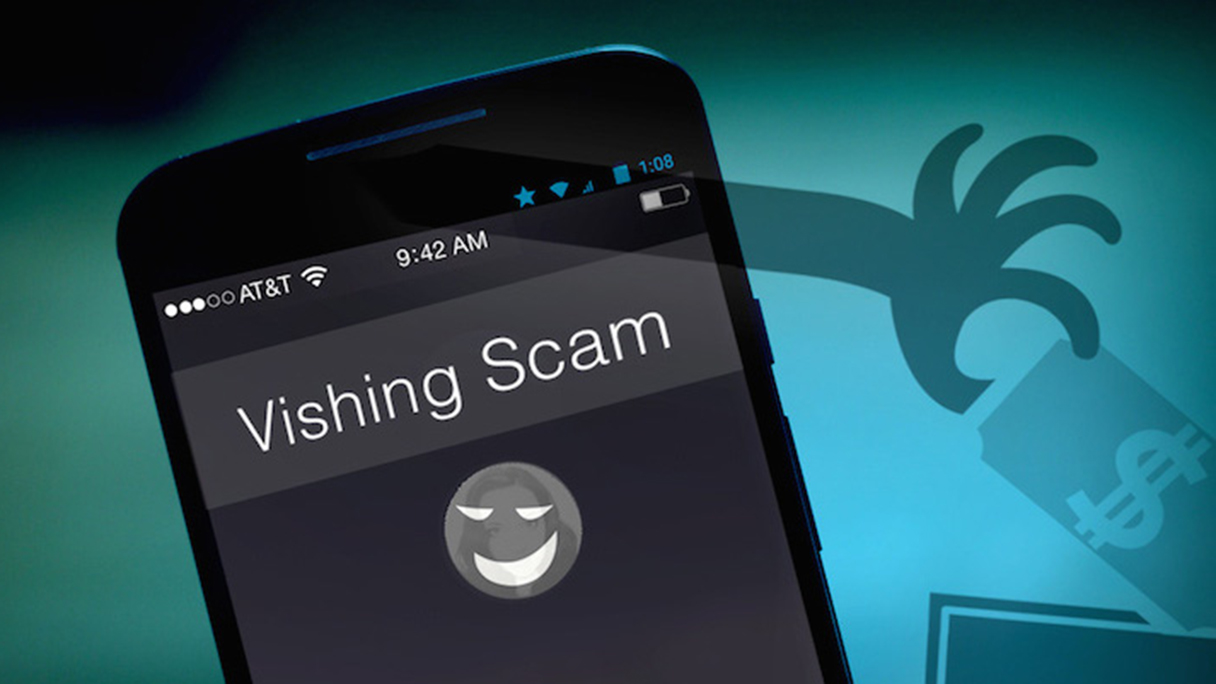

Have you ever encountered unusual communications, such as calls, texts, or emails, that ask for money or personal details? These messages can also ask you to do certain things by clicking on suspicious links. Scammers and spammers frequently use tactics known as phishing, smishing, or vishing to trick you into giving them your sensitive information or money. It’s crucial to stay vigilant and recognize these scams to protect yourself from potential fraud.
Summary
- Hackers use phishing, smishing, and vishing techniques to con people and steal their money and personal information.
- Smishing uses text messages, vishing uses phone calls, and phishing uses email scams.
- Examine sender addresses, links, and requests closely to prevent falling for these scams. Verify the authenticity of texts before clicking on links or calling numbers. If a call seems suspicious, hang up and return the call using an official number.
How can you recognize these scams when you encounter them, and what steps can you take to avoid falling into their traps?

Smishing, Vishing, and Phishing
Here is a summary of each scam’s components before we get into the specifics:
| Phishing | Grinning | Vishing | |
| Definition | Email-based scams | SMS-based phishing scams | Phishing scams conducted over the phone |
|---|---|---|---|
| Objective | Take your financial information, login credentials, or other private information. | steal your financial information and login credentials, or infect your device with malware. | deceive you into divulging personal information over the phone or obtaining remote account access |
| For instance | An email requesting that you click on a link to validate a deposit or win a gift | An SMS message requesting that you click a link and confirm your account details | A phone call from the IRS, bank, or other reputable organizations pretending that you owe money or require personal information to address a problem |
| Protection | Before acting, carefully review the sender address, links, and requests in emails. | Verify the authenticity of unusual texts before making phone calls or clicking links. | If the call seems suspicious, hang up and return the call using an official number. |
Phishing: What Is It?
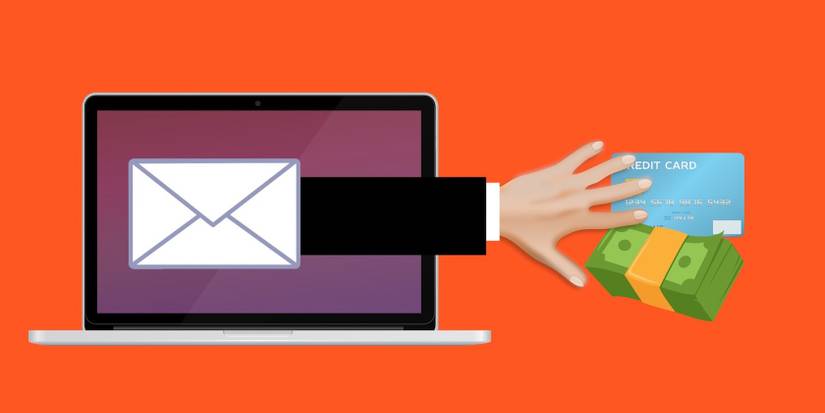
Phishing attempts typically occur via email. Because it’s simple to spoof the “From” address and make an email appear to be from your bank, a well-known retailer, the government, etc., scammers use email. They frequently base the messages on topics that people could reasonably receive emails about, such as your bank, Amazon orders, FedEx or UPS package tracking notifications, or Facebook or Gmail password reset requests.
Naturally, your initial thought is, “Oh no, I better check on that!” To take care of it right away, you click on the link they provided. That link, however, does not lead to the actual website. Rather, it directs you to a phony login page that the con artists made, and once you enter your login credentials, they have complete access to your account. Before you know it, they have stolen your identity, changed your password, or emptied your bank account.
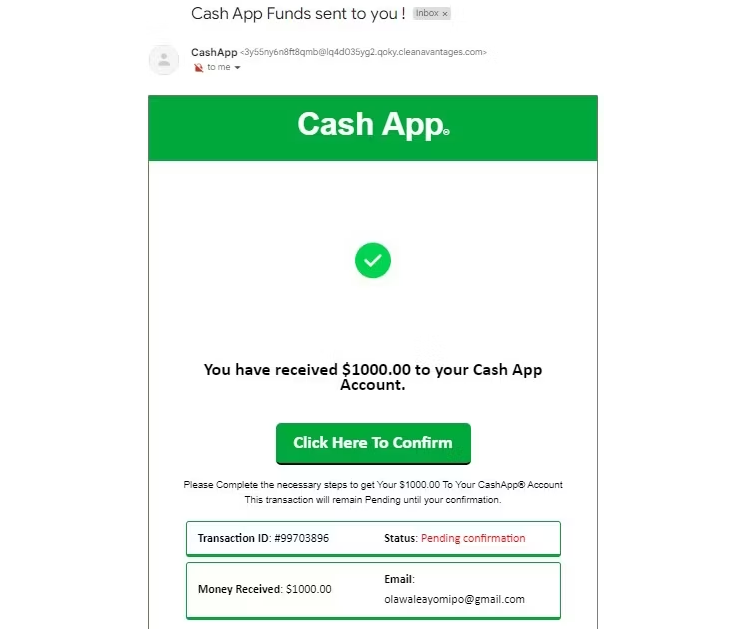
I recently got a suspicious email that displayed several signs of a potential phishing scam (see screenshot above). I was able to ascertain the following: I recently received a suspicious email (screenshot above) that showed multiple indicators of a possible phishing scam.
This is how I was able to determine;
- I haven’t created a Cash App account and don’t currently have one.
- The sender’s address appears illogical, fraudulent, and unrelated to the official email address of Cash App.
- Why would I have to click a link to confirm a deposit if I used Cash App instead of having it show up in my account automatically?
There seems to be a promise of a “no paid involvement” note to assuage any doubts about the sender’s true motivations. The message promises free money, but there are risks with it, like malware downloads, identity theft, and other ways to make money off of stolen personal information. I quickly erased the email without replying in light of these numerous warning signs.
Smishing: What Is It?
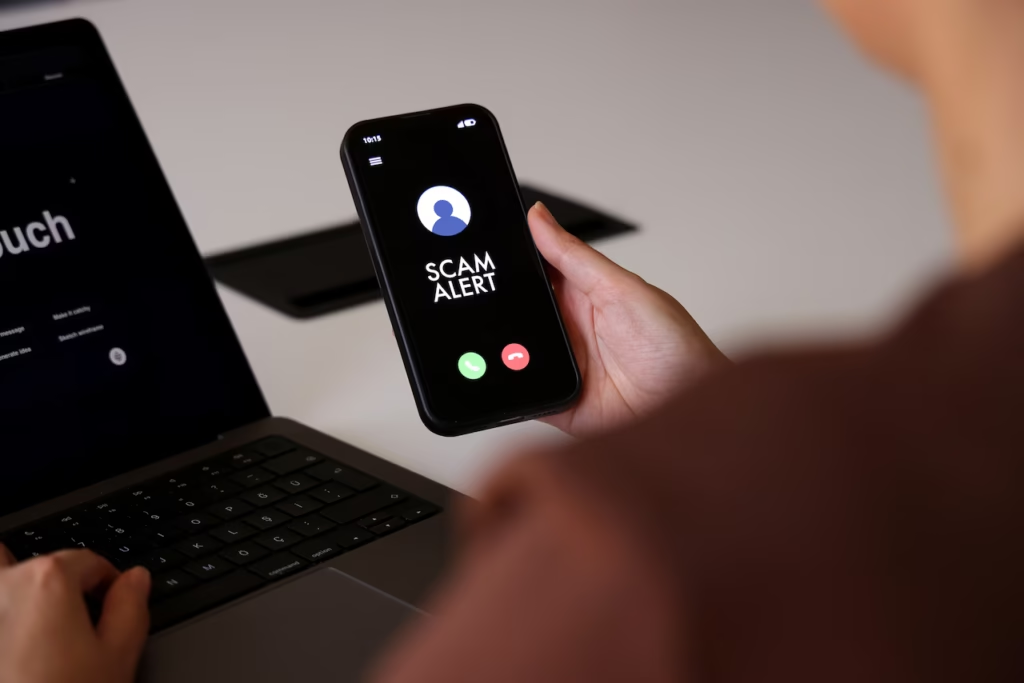
Smishing is a phishing scam sent through text messages to your phone instead of emails to your inbox. The word comes from mixing “SMS,” meaning Short Message Service (text messages), and “phishing.”
Smishing texts use all sorts of tricks to get you to click on links or give up sensitive details. The messages often look legitimate, like they’re from your bank, a friend, or a company you use, and include embedded links to click through. If you click that link and submit your login credentials, you have fallen prey to the scam.
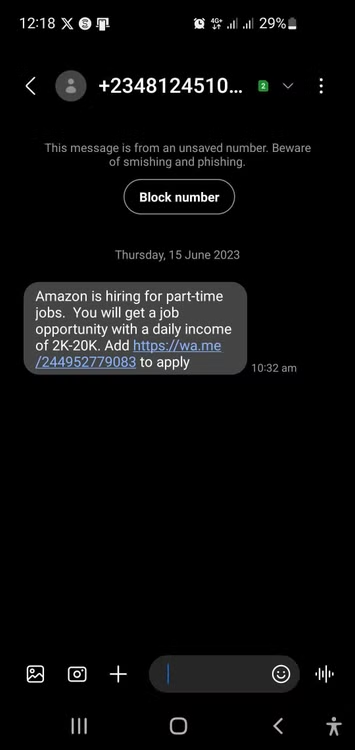
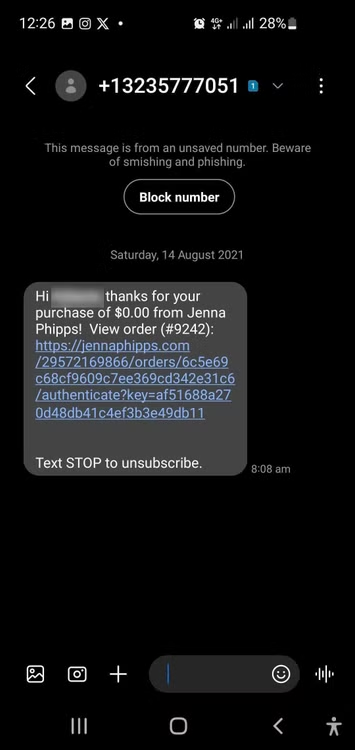
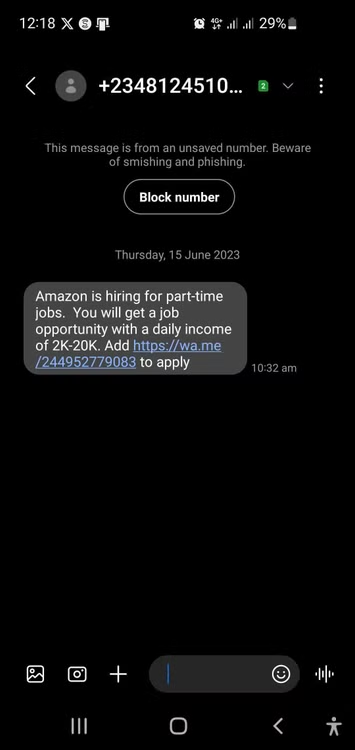
In a different situation, you might receive a smishing text claiming that you unexpectedly won a lottery or prize. You must pay a small fee, call a number, or click a link that requires your personal information (including passwords) in order to claim your “winnings.” This prize doesn’t exist, and the scammers might be able to empty your bank account thanks to your compromised account information.
A message claiming someone won the lottery and wants to share their winnings with you is also misleading. As expected, they provide instructions to click a link or furnish personal information to secure the funds.
This is a recent text scam that claims a Powerball winner wants to give me money. However, lottery organizations like to tell you who won, how much, and when in order to demonstrate that they are legitimate. However, that name and that sum are not winners this year. pic.twitter.com/sv Nerd Mellon
Even tax season is not safe—smishing texts may promise tax refunds or claim you owe the IRS money.
So why not email instead of texting? Approximately 98% of people read and respond to texts, compared to only 20% for emails, according to Gartner. Scammers think “Smishing is more likely to work because we are attached to our phones all the time.
Vishing: What Is It?
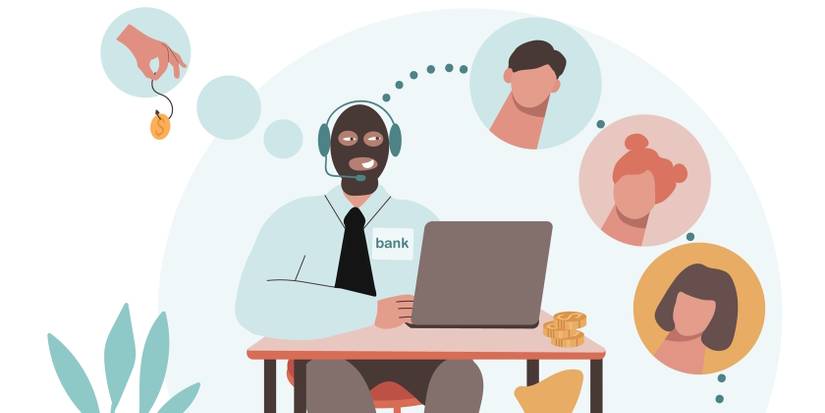
Scammers refer to scams conducted over the phone as “voice phishing” or “vishing.” It’s similar to receiving a phishing email, but instead of contacting you online, the attacker calls you directly and has a live or recorded conversation.
Vishing scams attempt to trick you by using various social engineering techniques. Scammers frequently say things like, “Your Social Security number is being used fraudulently,” or “You owe the IRS money,” as common vishing attack techniques. This tactic instills fear or panic in the victim, increasing the likelihood that they will comply with the scammer’s request for personal information to help resolve the situation. An example of a common situation is the story in the X thread below:
Another trick vishers use is “caller ID spoofing,” meaning they fake the caller ID to make it look like the call is coming from a legitimate company, government agency, or local number. They may have gathered bits and pieces of your info from past data breaches, so they sound extra convincing when they call. They’ll say things like “Hi John, I’m calling from your bank…” and boom, they’ve got your attention and trust.
Now, one of two things happens.
- An automated voice system will greet the victim and ask them to input their PINs and other personal identifiers, as well as their credit card, debit card, or other banking information.
- The fraudster does not hang up when the victim first calls their bank. This maintains the connection to the fraudster and keeps the line open. After hearing a fake dialing tone, the victim might hear the con artist “answering” the phone. After that, they pretend to be bank employees and ask the victim for information for future use or to transfer money from one “secure” account to another.
Regretfully, despite the coordinated efforts of scammers, financial loss resulting from vishing attacks remains a legal gray area. The banks contend that the victim must bear some liability in order to actively protect their interests.
How to Recognize Vishing, Smishing, and Phishing Scams
You can arm yourself with a few mitigation strategies, no matter how cunning and dishonest the con artists are. They will save you a ton of time, money, and wasted energy, and they are simple to remember.
- Verify the caller’s phone number, email address, and the source of any instant or text messages twice. I guess the number might have been made up to look like an official source.
- • Always use a different phone line when someone asks you to return a call, even if the number appears to be genuine. This practice helps you avoid “no hang-up” scams. Look up the primary customer service number for your bank online or use a number from a recent bank statement.
- No matter how insistent someone is, you should never give them your banking information over the phone. No identifying information, including PINs, the security numbers on the back of your card, or even your expiration date, will be requested by your bank.
- Never move funds into a different account at a stranger’s request. You will never be asked to do this by your bank. In a similar vein, they won’t send a courier to pick up your checking book. Unless you are being arrested at the IRS’s request, no official institution will do this.
- Unsolicited texts from your bank or another reputable name should be treated with extreme caution. It won’t occur unless you and your bank have previously agreed that SMS contact is acceptable.
- Links in any SMS message should also be avoided. Shortened links have the potential to take you anywhere, and it’s difficult to predict what will happen when you tap or click on them.
- Put an end to calls that threaten you and demand money right away. Reputable businesses won’t suddenly issue baseless threats.
- Never use irreversible methods, such as gift cards, cryptocurrency, or wire transfers, to pay unknown callers. You are not protected against fraud by these payment methods.
- Have faith in your gut. If a call, text, or email looks suspicious or “too good to be true,” it’s probably a scam attempt.
Above all, exercise caution. Just hang up if you’re not sure. Ignore any unsolicited emails or texts.
Conclusion
In today’s digital landscape, it’s important to stay informed about the differences between smishing, phishing, and vishing. Whether you get these scams through email, text message, or a phone call, they’re designed to take advantage of your trust and urgency. By recognizing the signs of these deceptive tactics, such as suspicious links, unsolicited requests for personal information, and high-pressure tactics, you can better protect yourself from falling victim to fraud. Always check who is sending you any form of communication and trust your gut; if it looks wrong, it probably is. The best defense you can have against these ever-changing threats is to arm yourself with knowledge.


Leave a comment