
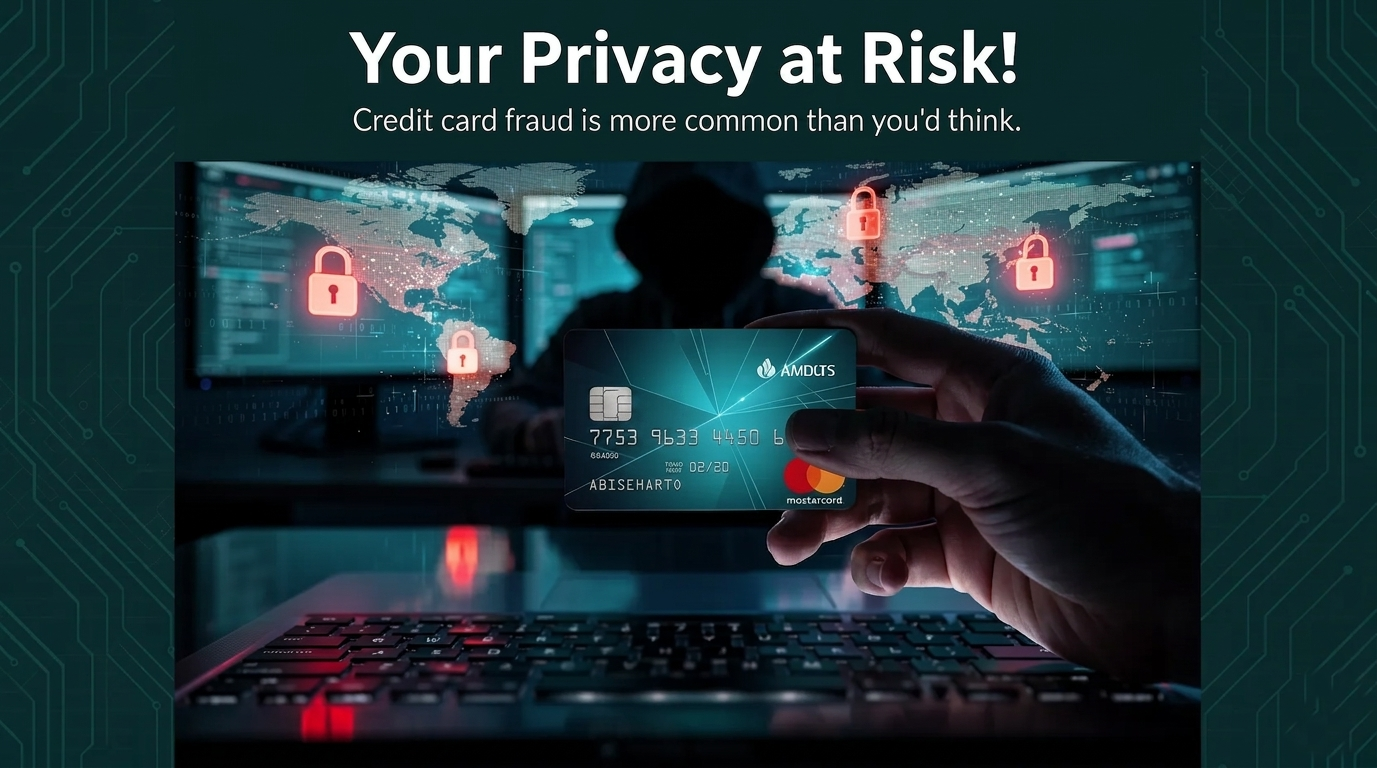

Protect yourself with 5 easy steps.
Credit card fraud in online shopping was already part of most Americans’ lives, but it has taken off in the past couple of years.
It’s almost dangerously convenient; you don’t have to go to the store, or swipe or tap your card, or spend money on gas when Jeff Bezos will bring your needs to your door.
But you still need to be cognizant of your financial information security. Fraudsters and criminals know that more transactions are moving online, and they are working hard to profit from this shift.

Read Also: Best 10 Anonymous Dark Web Browsers for Secure Tor Browsing
Definition and types of credit card fraud
Credit card fraud is a type of fraud that involves the unauthorized use of your credit card information. It can include:
- Credit application fraud: You open a new account in your name using stolen information (SSN, birthdate, passwords) or purchased credit card information
- Account takeover: Stealing funds by taking over an existing account with personal identifying information or passwords
- Clone or skim: Fake card manufacturing – crooks can grab your card numbers and create a new card from scratch.
- Phishing: When someone uses a fake email, text message, or other online method to trick you into giving a fraudster your personal information. n.
“Credit card fraud can really mess up your credit score and finances.” Until that’s straightened out, creditors will look to you to pay those bills, and if they’re reported as unpaid to the credit bureaus, your credit score could suffer. The best thing you can do is to prevent credit card fraud before it happens.
Preventing credit card fraud
The reason credit card fraud is still a problem is simple: It still works. Here are some simple tips to help you take the right precautions.
1. Use your credit card — not your debit card
The Fair Credit Billing Act (signed into law in 1974) says you can’t be liable for more than $50 for unauthorized use of your credit. Most of the time, you would owe nothing—that’s where the “zero liability protection” on many credit cards really comes into play.
Debit cards are another thing, however. Those plastic cards are governed by the Electronic Fund Transfer Act, which says you could be on the hook for as much as $500 in fraudulent charges if you don’t report it within two business days.
And even if your bank is willing to issue a chargeback for you and does not make you pay for those fraudulent charges, you are still going to have to jump through hoops to get your money back. Put the money in your checking account and use your credit card. The best credit cards also offer the advantage of better protection and better ways to reward your spending.
2. Check your account activity each day
You’re not responsible for fraudulent credit card use, but you don’t want it to happen. It can wreak all sorts of havoc on your credit report, not to mention the fact that if you have to change your card number due to fraud, you’ll have to cancel automatic payments. So don’t wait until you get your monthly statement to ensure your card is safe.
Make sure to check your banking app at least once a day. Checking your credit card transactions every day can give you a good idea of how you’re spending your money and give you a heads-up if someone else is trying to spend it.
3. Create spending alerts
Check your online bank portal for options to pre-program alerts that can make you aware of new purchases.
Many banks offer to send alerts if a transaction exceeds a certain threshold, if an international charge has been made to the card, or if an online or phone charge is pending. Have those notifications emailed or texted to you — whichever you prefer — and you’ll be able to dispute anything that seems out of the ordinary immediately.
4. Be suspicious
“Don’t click on strange links” may seem like common sense, but online criminals are getting more sophisticated than the old-school misspelled messages pleading to send money to someone who desperately needs your help.
Rather than clicking on links from your email inbox, visit the site. In the address bar, look for a symbol of a padlock — or for the URL to begin with “https,” with the “s” meaning “secure.” The same goes for text messages.
Read Also: Websites Where to Shop Online Without an OTP with a Credit Card
And while it’s tempting to hand over your email address or other information to any retailer in exchange for a promo code, it’s a good practice to limit the number of sign-ups simply because those retailers are major targets. When your information is stored in a retailer’s system, it’s another potential risk.
5. Ask your issuer about virtual account numbers
Some banks allow you to generate virtual credit card numbers to use for your online shopping. Rather than the 16-digit number on your card, this system generates a temporary number for every purchase you make. So even if a hacker were to happen upon the number, there’s not much they could do with it.
For example, the Capital One Venture Rewards card offers you the ability to use virtual numbers when shopping online. American Express, Citi, and Wells Fargo are other cards with this benefit.
Every time you swipe your card, whether it’s virtually or in person, there can be an alarming number of rapscallions feverishly working to obtain your sensitive information. Banks are doing a great job of defending these attacks, but you can never be too careful.”
If you follow the above steps, you can make their job a lot more difficult.
Frequently asked questions about credit card fraud
Typical signs of credit card fraud are unrecognized charges, missing statements, or declined transactions without reason, and even getting calls about bills you don’t recognize.
Typical signs of credit card fraud are unrecognized charges, missing statements, or declined transactions without reason, and even getting calls about bills you don’t recognize.
If you lose your credit card, report it to your credit card issuer right away so that it can be cancelled and replaced.
Yes, if you are a victim of credit card fraud, you can get your money back. Most issuers have a zero liability policy when it comes to fraudulent charges, if you report them quickly.


Leave a comment