

Introduction
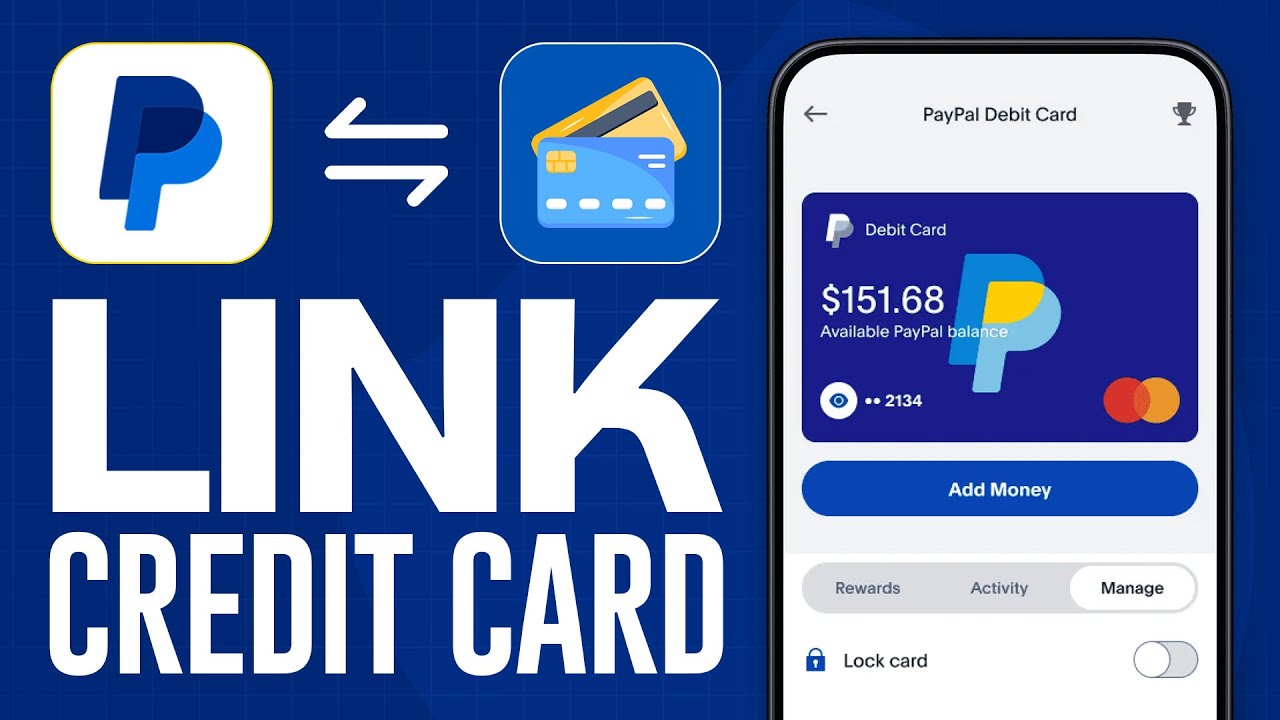
Digital payment platforms have transformed how we manage money by offering seamless integration with various payment methods. This comprehensive guide explains the process of connecting payment cards to popular digital wallets like PayPal, CashApp, and Apple Pay. We’ll walk you through each step, from selecting compatible cards to maximizing their utility while maintaining security best practices.
Related: CC to BTC Method: Ultimate Beginner’s Guide to Card Bitcoin
Understanding Linkable Payment Cards

What Are Linkable Cards?
Linkable payment cards are debit or credit cards designed to connect with digital payment platforms. These cards allow you to:

- Add funds to your digital wallet balances
- Make purchases through connected applications
- Transfer money between accounts
- Access additional payment options within digital ecosystems
Related: A Simple Western Union Carding and Transfer Method
Types of Compatible Cards
Most digital platforms accept:
- Traditional debit cards from major financial institutions
- Credit cards with sufficient available credit
- Prepaid cards with reloading capabilities
- Virtual cards designed for digital integration
Step-by-Step Guide to Linking Cards
Step 1: Select Compatible Payment Cards
Begin by choosing payment cards that work with your preferred digital payment platform. Consider these factors:
- Platform Compatibility: Ensure the card works with your chosen application
- Funding Source: Determine if you need debit, credit, or prepaid options
- Terms and Conditions: Review any linking restrictions or fees
- Security Features: Look for cards with robust protection measures
Related: Top Dark Web Markets and Carding Marketplaces
Step 2: Link Cards to Your Preferred Platform

Once you have compatible cards, follow these platform-specific steps:
PayPal :
- Log in to your PayPal account
- Navigate to “Wallet” settings
- Click “Link a card” or “Add card”
- Enter card details (number, expiration, CVV)
- Confirm billing address matches card records
- Wait for the verification process to complete
For CashApp:
- Open CashApp and select the “Banking” tab
- Choose “Link Debit Card”
- Enter card information
- Verify with micro-deposits if required
- Confirm linking process
For Apple Pay:
- Open Wallet app on your Apple device
- Tap the “+” sign to add a new card
- Use the camera to capture card details or enter manually
- Accept terms and conditions
- Verify through your bank’s security process
Related: CC to BTC Method: Ultimate Beginner’s Guide to Card Bitcoin
Step 3: Add Funds to Your Digital Balance
With cards successfully linked, you can now add funds:
- Navigate to the “Add Money” or “Top Up” section
- Select your linked card as the funding source
- Enter the amount you wish to transfer
- Confirm the transaction
- Wait for processing (typically 1-3 business days)
Step 4: Maximize Card Utility
To make the most of your linked cards:
- Understand Limits: Be aware of daily/monthly transaction limits
- Track Balances: Monitor both card and digital wallet balances
- Plan Transactions: Time transfers to optimize availability
- Utilize Benefits: Take advantage of any rewards or cashback offers
Step 5: Manage and Secure Your Linkable Cards
Proper maintenance is essential:
- Regular Review: Periodically check linked cards for unauthorized use
- Unlink When Necessary: Remove cards you no longer use
- Update Information: Keep card details current if they change
- Monitor Statements: Review all transactions for accuracy
Related: Secure Non-VBV BINs List (Approved)
Platform-Specific Tips and Best Practices

PayPal Best Practices
- Verify your account to increase transaction limits
- Use the “Instant Transfer” feature for faster access to funds
- Take advantage of PayPal’s purchase protection policies
- Consider linking multiple cards for backup payment options
Cash App Optimization with Linkable
- Enable security features like PIN protection and Face ID
- Use the “Boost” feature for discounts at select merchants
- Explore the investing options with available funds
- Set up direct deposit for added convenience
Apple Pay Security
- Use Face ID or Touch ID for additional security
- Set up transaction notifications to monitor activity
- Explore the “Apple Card” for integrated ecosystem benefits
- Take advantage of the privacy features in the Wallet app
Related: Best Top 10 Dark Web Browsers (Updated)
Troubleshooting Common Issues
Card Declined or Not Linking
If you encounter problems:
- Verify all card details are entered correctly
- Check that the card is compatible with the platform
- Ensure sufficient funds are available
- Contact your card issuer if problems persist
Verification Challenges
For verification issues:
- Complete all required identity verification steps
- Respond promptly to any security inquiries
- Ensure your billing address matches card records
- Consider alternative verification methods if offered

Transfer Delays
If transfers take longer than expected:
- Check for platform-wide processing delays
- Verify your bank’s processing timelines
- Consider using instant transfer options if available
- Contact customer support for unusual delays
Advanced Strategies
Multi-Platform Approach
Experienced users often:
- Link cards across multiple platforms for flexibility
- Diversify funding sources to minimize risks
- Take advantage of platform-specific benefits
- Create workflows for efficient fund management

Security Enhancements
For optimal security:
- Use unique, strong passwords for each platform
- Enable two-factor authentication where available
- Regularly review transaction history
- Set up alerts for unusual activity
Related: List of 2026’s Best Non-VBV/MSC BINs (UPDATED)
Conclusion
Linking payment cards to digital wallets offers convenience, flexibility, and additional financial management options. By following the steps outlined in this guide, you can seamlessly integrate your cards with PayPal, CashApp, Apple Pay, or other platforms while maintaining security best practices.
Remember that responsible financial management includes understanding terms of service, monitoring your accounts regularly, and using security features appropriately. With these practices in place, you can make the most of the digital payment ecosystem.


Leave a comment